 Japanese
 Korean

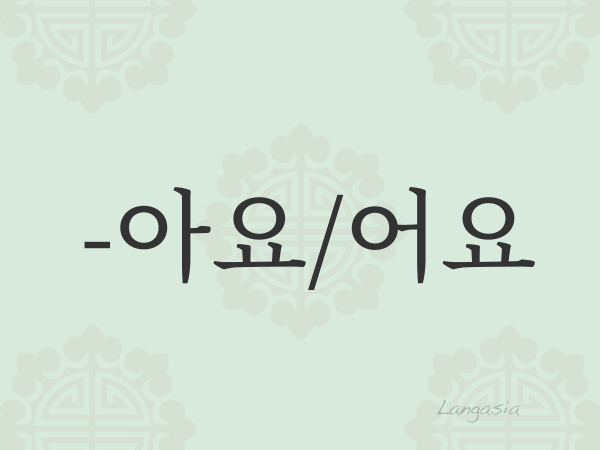
아요/어요
The present tense
The ending -아요/어요 is used to form the polite present tense.
용법
Use
Indicates the present tense of action verbs (verbs) or description verbs (adjectives)
-
▸ 저는 밥을 먹어요.
I eat a meal.
-
▸ 책을 사요.
I buy a book.
-
▸ 한국어를 공부해요.
I learn Korean.
Preview — sign in to unlock the full grammar sheet.
Grammar tips

- To form the present tense in the polite form, we must change the ending of the verb to -아요/어요. If the last vowel of the verb stem ends in ㅏ or ㅗ, we add 아요, otherwise we add 어요. The exception is the verb 하다 which becomes 해요.
- Contraction 1
Comparison
저기요~
The race of the words is ended by ㅏ,ㅓ, ㅕ,ㅐ ou ㅔ (in batches) 아요/어야, the 아/어 of 아요/어야 is also beautiful. It is just as important to stop the race and avoid ㅔ.
 This website uses cookies